

Press releases
Cost-effective and high-precision point-of-care diagnostics using SPAD-based sensors
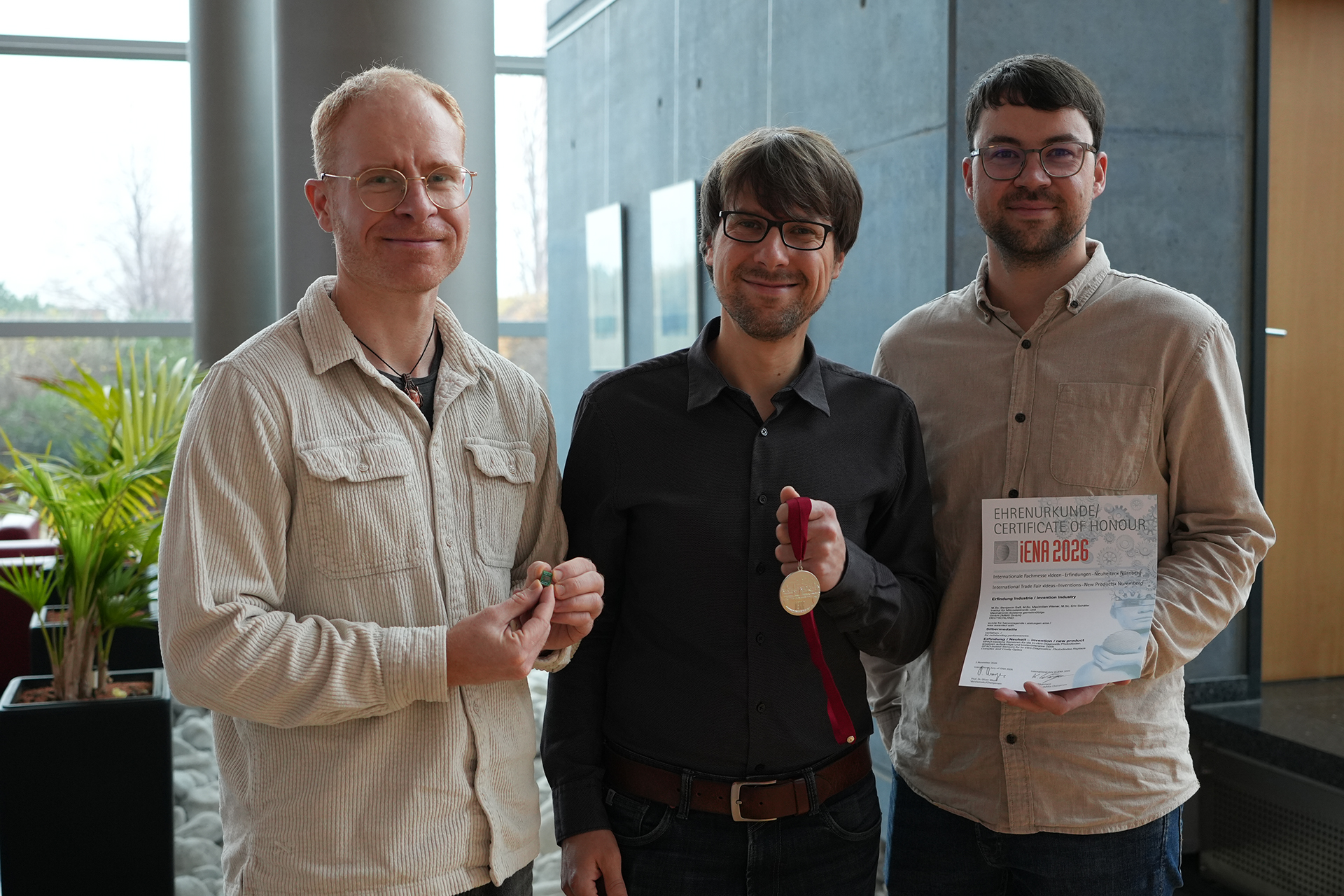
IMMS patent for in vitro diagnostics wins iENA Silver Medal
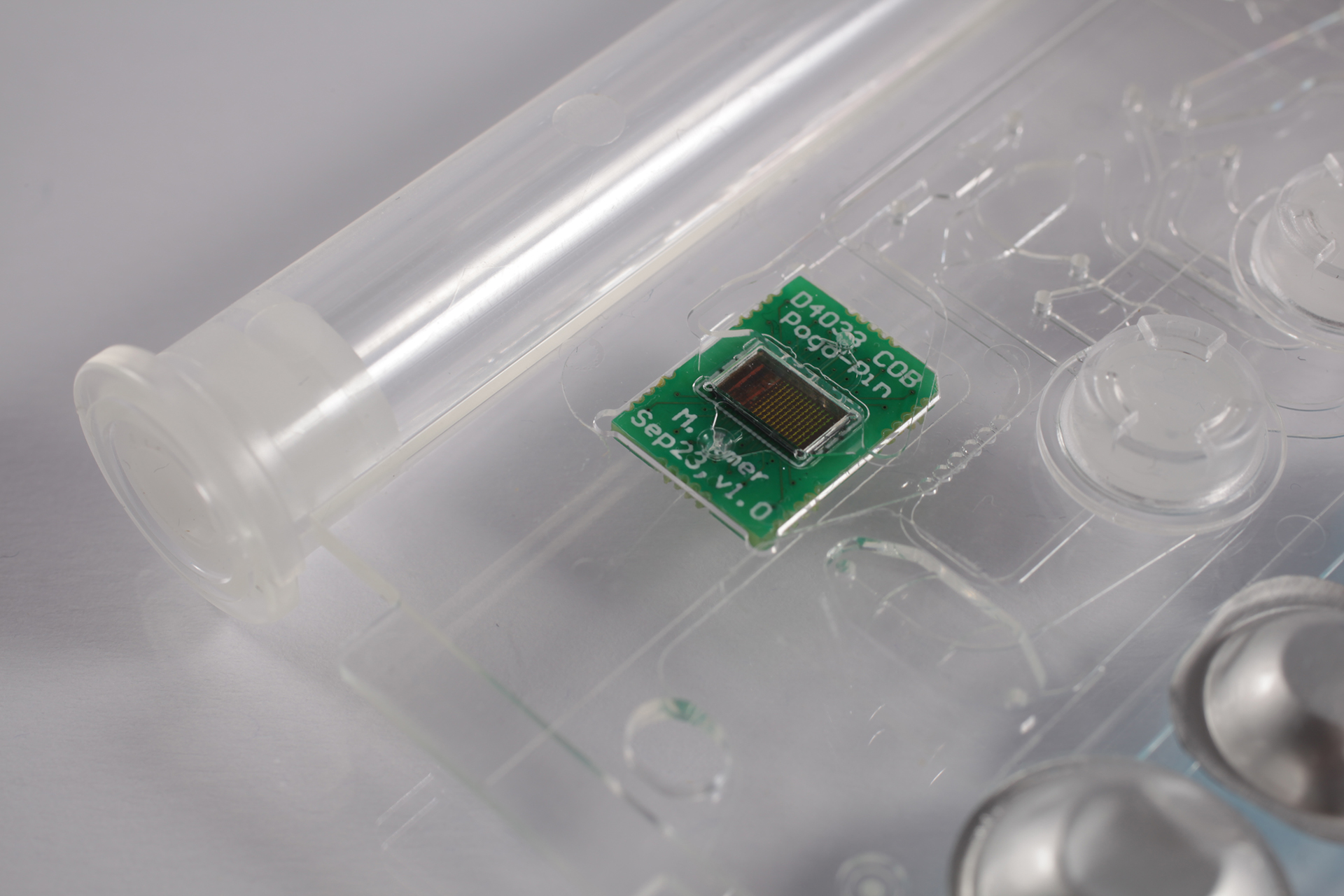
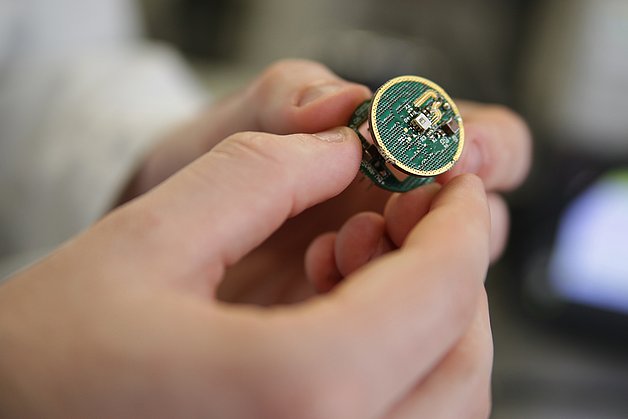
The IMMS patent ‘Device, image sensor and method for analysing samples using time-resolved fluorescence measurement’ was awarded an iENA silver medal on 25 November2026 at the Thuringian awards ceremony organised by PATON | Thuringian Patent Centre at Technische Universität Ilmenau. In early November, PATON had entered the work into the competition at the iENA inventors’ fair in Nürnberg on behalf of the inventors Benjamin Saft, Maximilian Wiener and Eric Schäfer. At the heart of the patent is a novel SPAD-based sensor for the time-resolved readout of fluorescence-labelled DNA microarrays, which replaces complex and costly homogenisation optics with additional photodiodes. This enables medical device manufacturers to develop point-of-care readers capable of measuring the concentration of target biomarkers with high precision – without the complex optics previously required.
On-site diagnostics using SPAD-based microarrays instead of central laboratories
High-precision medical diagnostic systems are large and expensive; they are primarily used in centralised laboratories and involve waiting times and transit times of several days. However, where rapid test results are crucial or investment in a laboratory is not feasible – as is the case, for example, in countries of the Global South – point-of-care tests offer a viable option. To this end, IMMS is developing photonic sensors capable of detecting properties at the molecular scale. A novel sensor based on single-photon avalanche diodes (SPADs) for time-resolved readout of fluorescence-labelled DNA microarrays contributes to more precise point-of-care measurements.
In in-vitro medical diagnostics, the concentration of analytes such as proteins or DNA can be determined using time-resolved fluorescence measurement. To test different analytes simultaneously in a small point-of-care device on site, so-called microarrays with individual test fields are used.
Inhomogeneous excitation light complicates fluorescence measurements on microarrays
During the measurements, the microarray is usually illuminated by a laser, which excites an added fluorescent dye to emit light depending on the concentration of an analyte. This concentration can be determined from the ratio of excitation light to fluorescence light. Single-photon avalanche diodes (SPADs) are used to measure the fluorescence light; these allow individual photons to be detected with high temporal resolution via time-correlated single-photon counting. A SPAD array comprising one or more SPADs corresponds to a test well.
If the excitation light is not distributed homogeneously across the entire microarray, the intensity of the excitation light at every position on the microarray must be known to determine the molar concentration of an analyte. However, as the intensity of the excitation light exceeds that of the fluorescence signal by several orders of magnitude, the SPADs would become heavily saturated if the excitation light were detected directly. A quantitative determination of the excitation light intensity is therefore not possible. Consequently, in line with the current state of the art, the excitation light is homogenised using complex and costly optical systems.
Additional photodiodes correct for inhomogeneous excitation light
The concept behind the invention is a cost-effective solution that dispenses with the complex and costly homogenisation optics for the excitation light. Instead, additional photodiodes are positioned between the individual SPAD arrays to determine the intensity of the excitation light. Through normalisation and interpolation, the intensity can be calculated precisely for each test field. This enables targeted correction of inhomogeneity, and a large number of test fields on a given microarray can be examined and analysed accurately at the same time. This enables high-precision point-of-care measurements, allowing the concentrations of various analytes, such as DNA or proteins, to be quantitatively determined in parallel using microarrays. The method can be implemented in various in-vitro diagnostic applications and is available for licensing.
German patent: DE 10 2024 138 869 B4, IP available, patent applicant/holder: IMMS Institute for Microelectronics and Mechatronics Systems, a non-profit limited liability company (IMMS GmbH), inventors: Benjamin Saft, Maximilian Wiener, Eric Schäfer.
This might also be interesting for you
Core topic
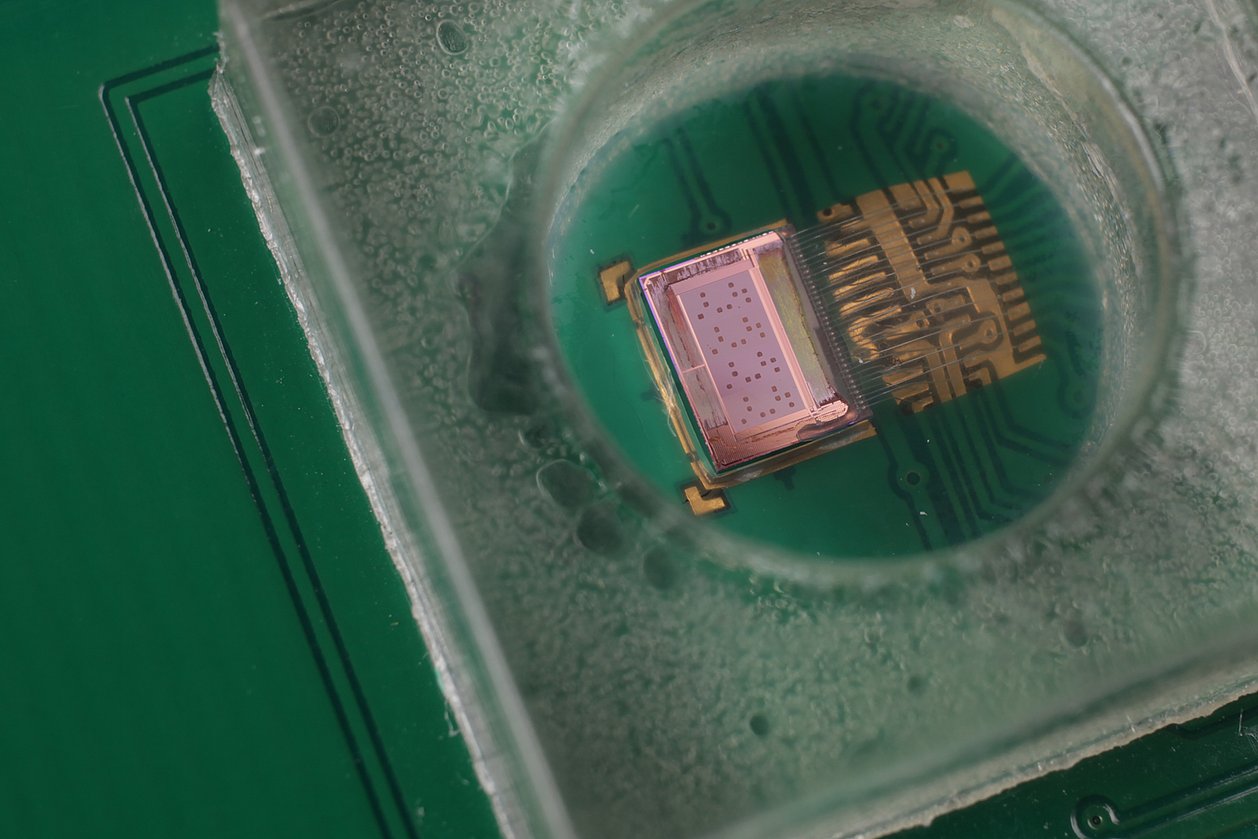
CMOS-based biosensors
We are researching CMOS-integrated transducers and their interaction with biological receptors. They offer the potential for precise, digital and cost-effective point-of-care tests and allow properties to be recorded on a molecular scale.
Service for R&D
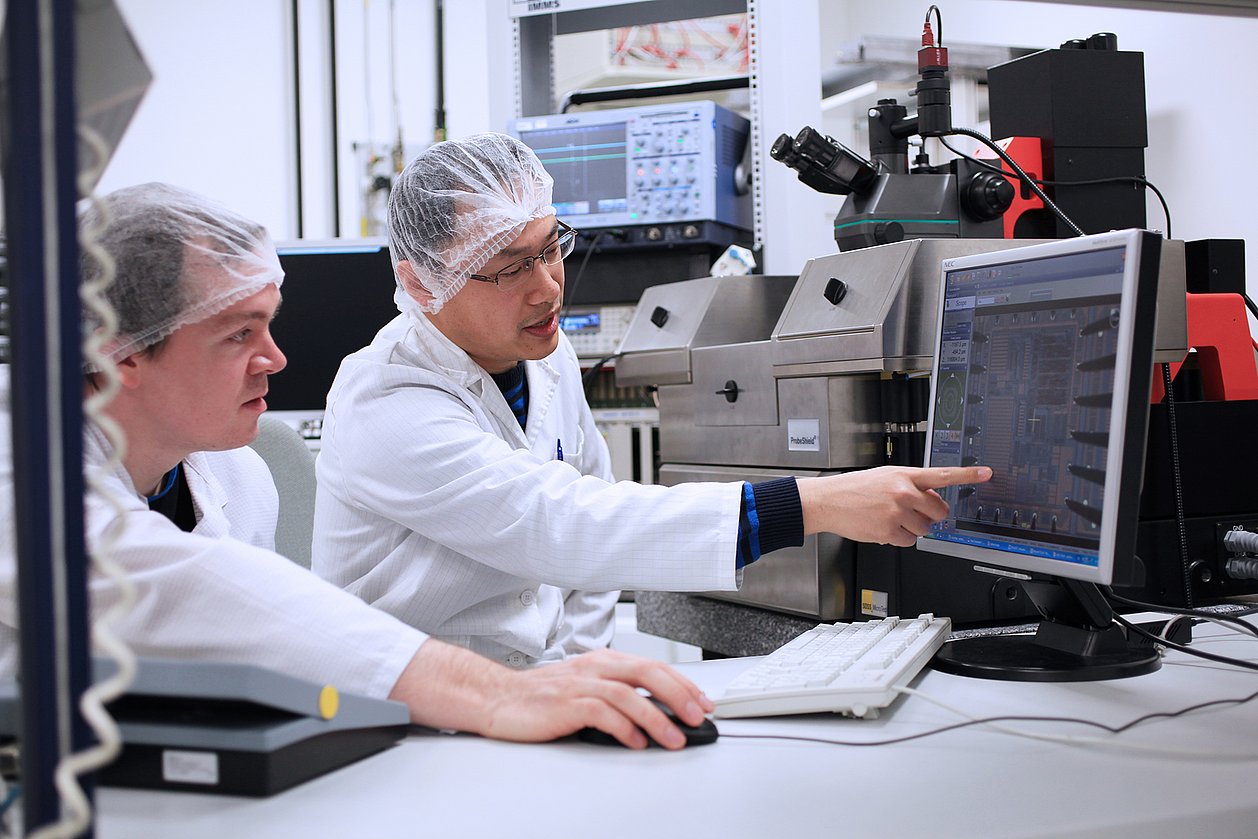
Integrated Circuits
We offer the design and realisation of application-specific integrated circuits (ASICs) in CMOS, BiCMOS and SOI technologies. We achieve well-performing ASICs with our first runs (first-time right silicon).
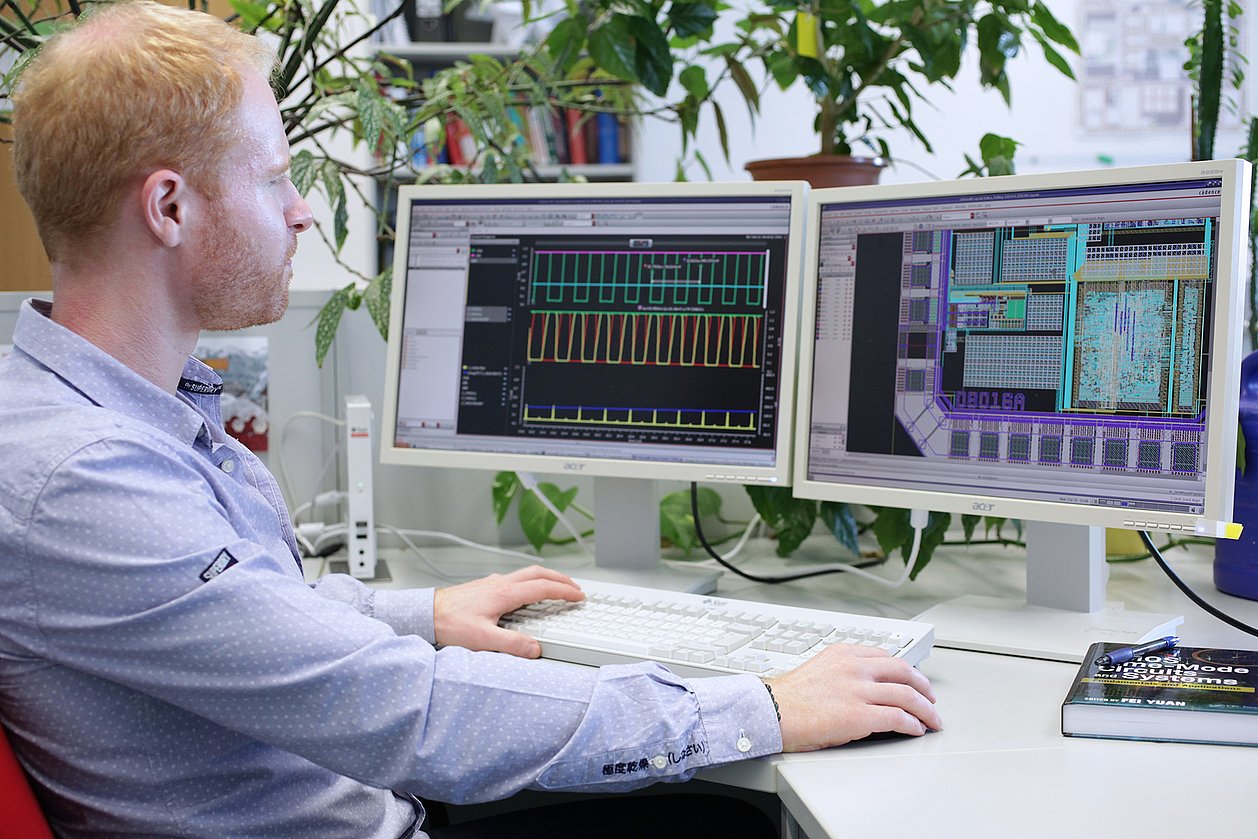
Research field
Integrated sensor systems
Here we investigate miniaturised systems manufactured in semiconductor technology consisting of microelectronic components for sensors applications, as well as methods to design these highly complex systems efficiently and safely.
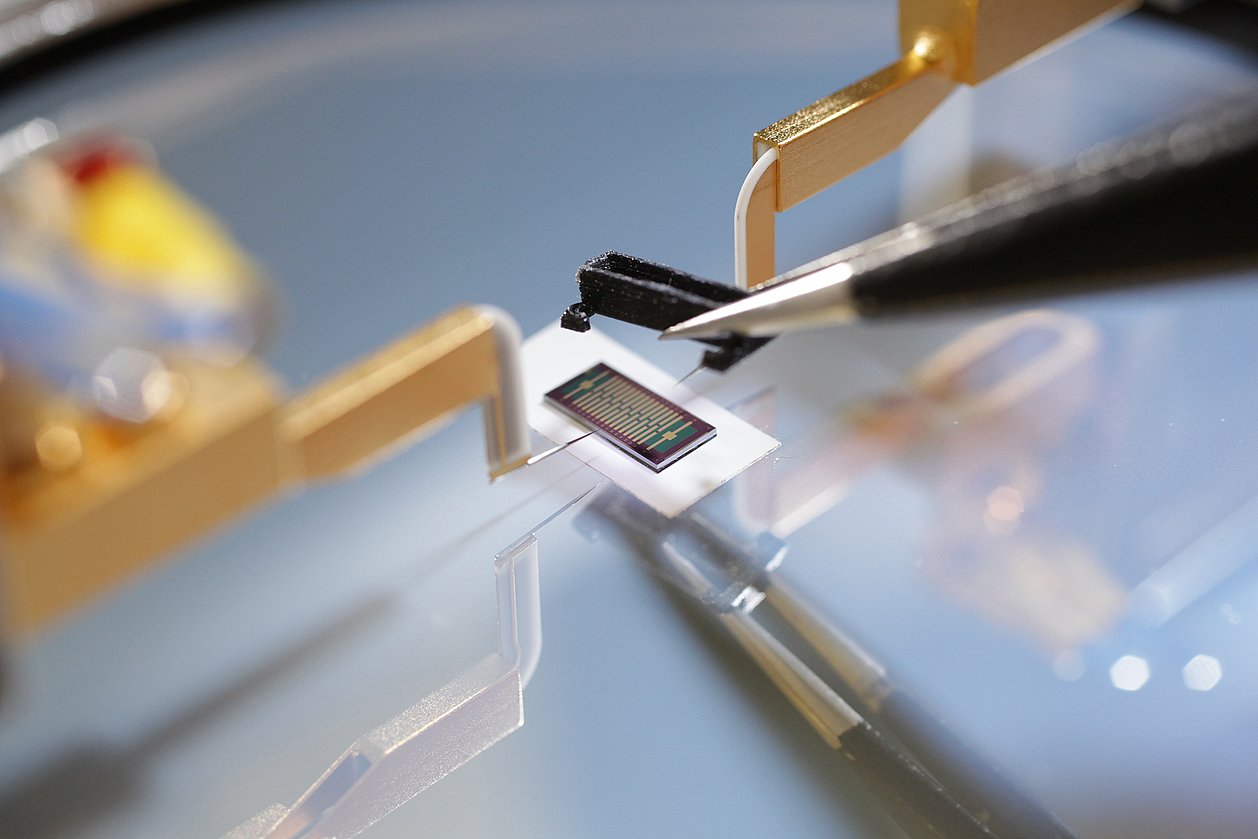
Lead application
Sensor systems for in-vitro diagnostics
Here we are developing sensor systems for in-vitro diagnostics that enable individual, decentralised health monitoring for all with electronic rapid tests.
Related content
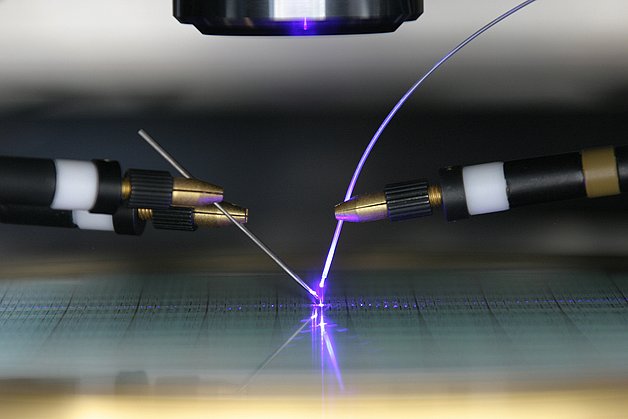
Project
FluoResYst
The IMMS is developing a SPAD-based sensor for time-resolved readout of fluorescence-labelled DNA microarrays.
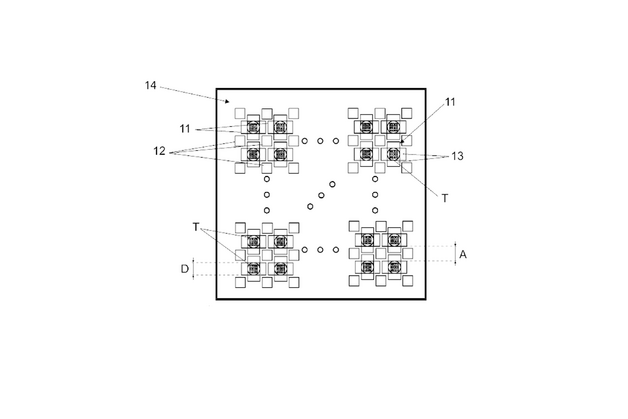
Patent
DE 10 2024 138 869
Device, image sensor and method for analysing samples using time-resolved fluorescence measurement

Award
iENA silver medal for „SPAD-based Sensors for In-Vitra Diagnostics: Photodiodes Replace Camp/ex and Cost/y Optics”
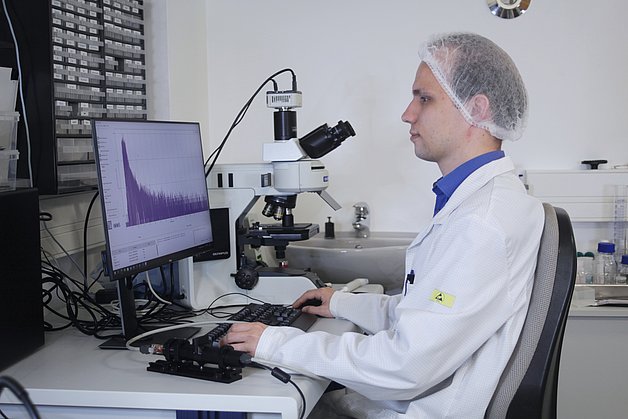
Benjamin Saft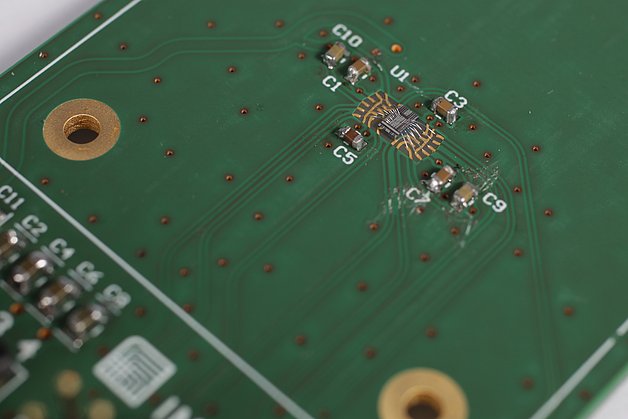
Contact

Contact
Dipl.-Hdl. Dipl.-Des. Beate Hövelmans
Head of Corporate Communications
beate.hoevelmans(at)imms.de+49 (0) 3677 874 93 13
Beate Hövelmans is responsible for the text and image editorial work on this website, for the social media presence of IMMS on LinkedIn and YouTube, the annual reports, for press and media relations with regional and specialist media and other communication formats. She provides texts, photographs and video material for your reporting on IMMS, arranges contacts for interviews and is the contact person for events.