

Project EXPRESS.smart
AI-supported climate and crop monitoring in regional fruit and wine growing to safeguard and optimise yield and quality
Predicting the risks posed by late frosts in fruit growing and viticulture
The quantity and quality of the harvest in fruit and wine growing are determined early in the year. It is particularly important whether late frosts occur at the end of the winter season, as these can cause considerable damage to the plants.
In the EXPRESS.smart project, IMMS is testing digital and AI-based solutions to predict frost events and the resulting risks to the harvest, as a basis for recommendations for action.
Solution: Integrated frost monitoring
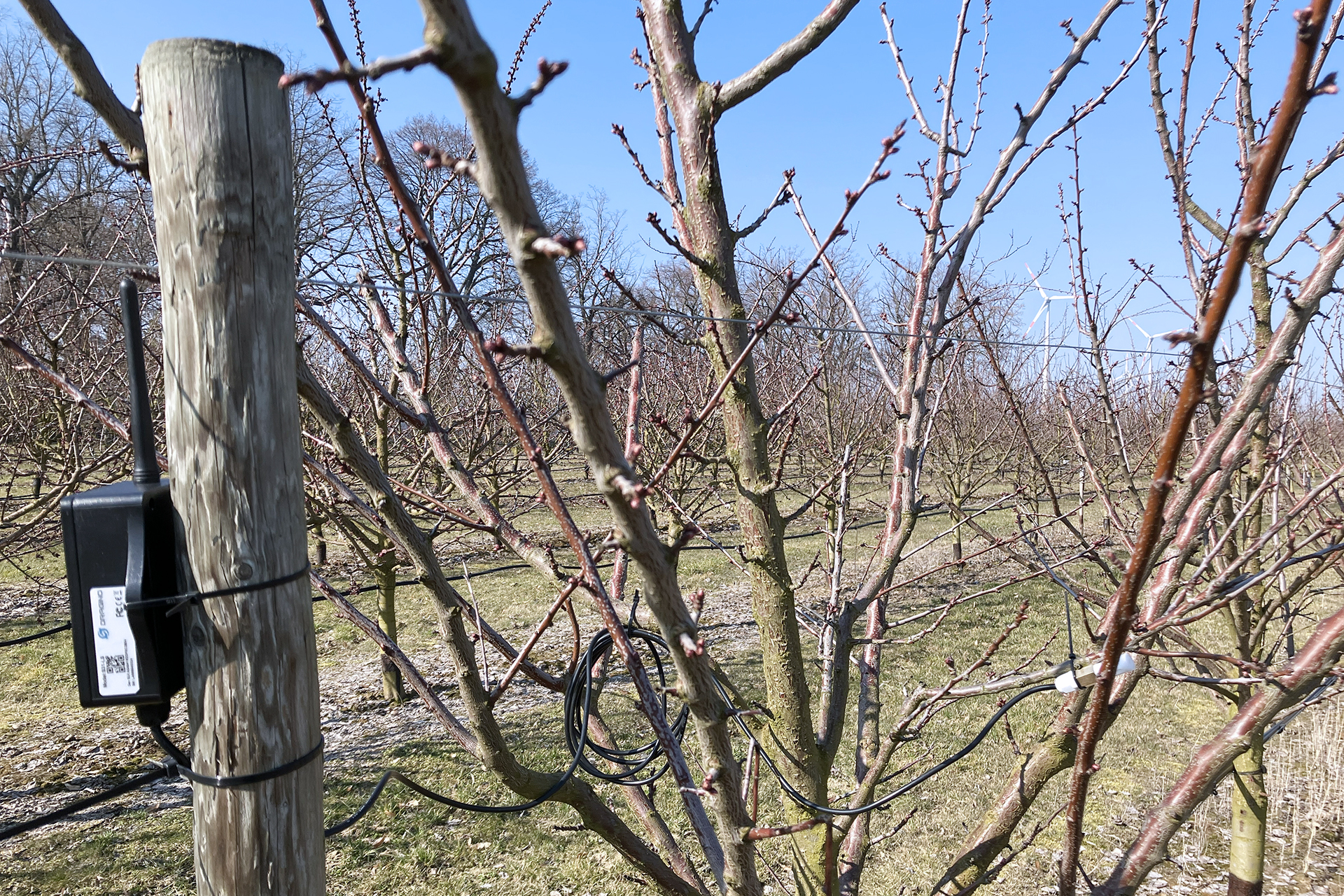
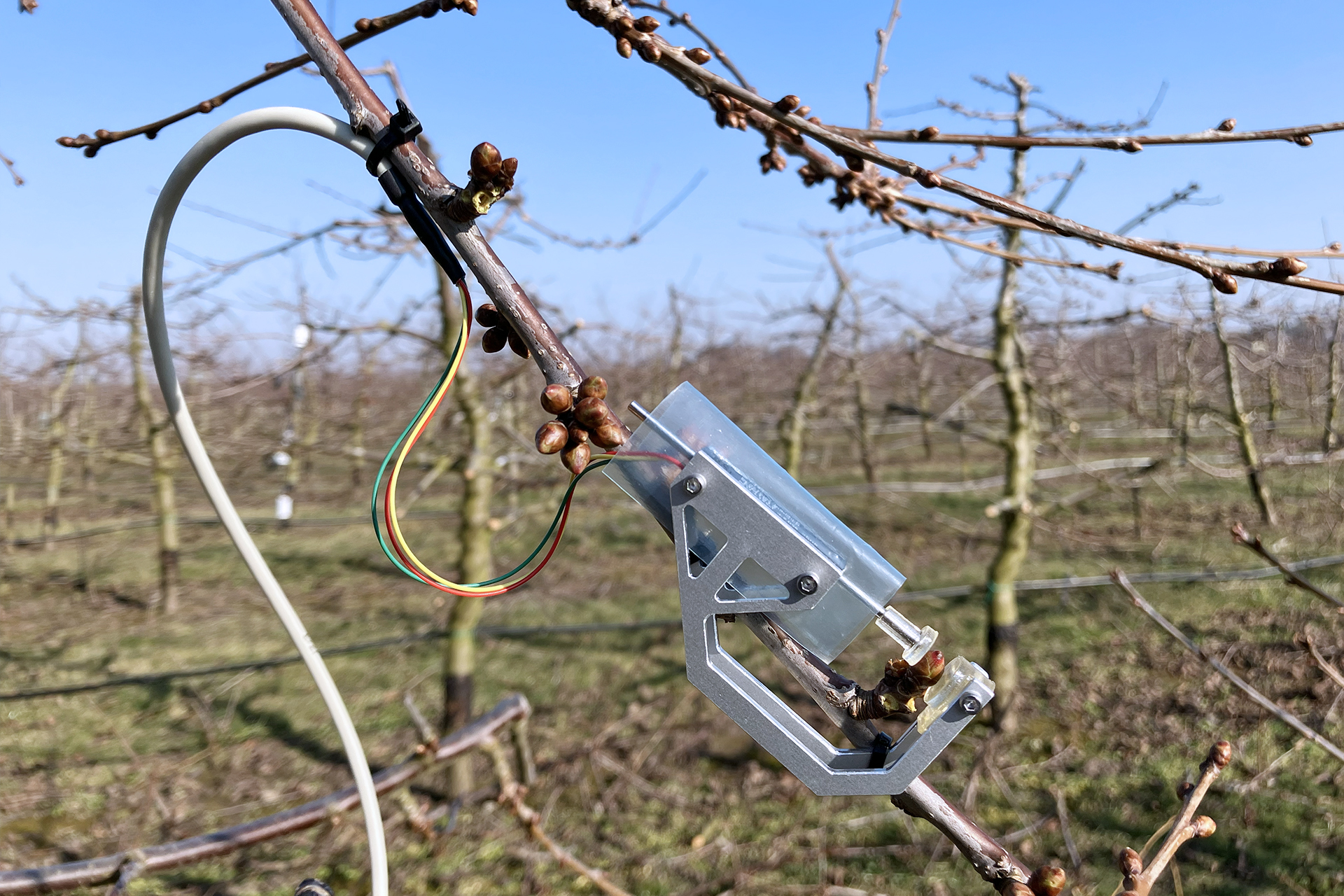
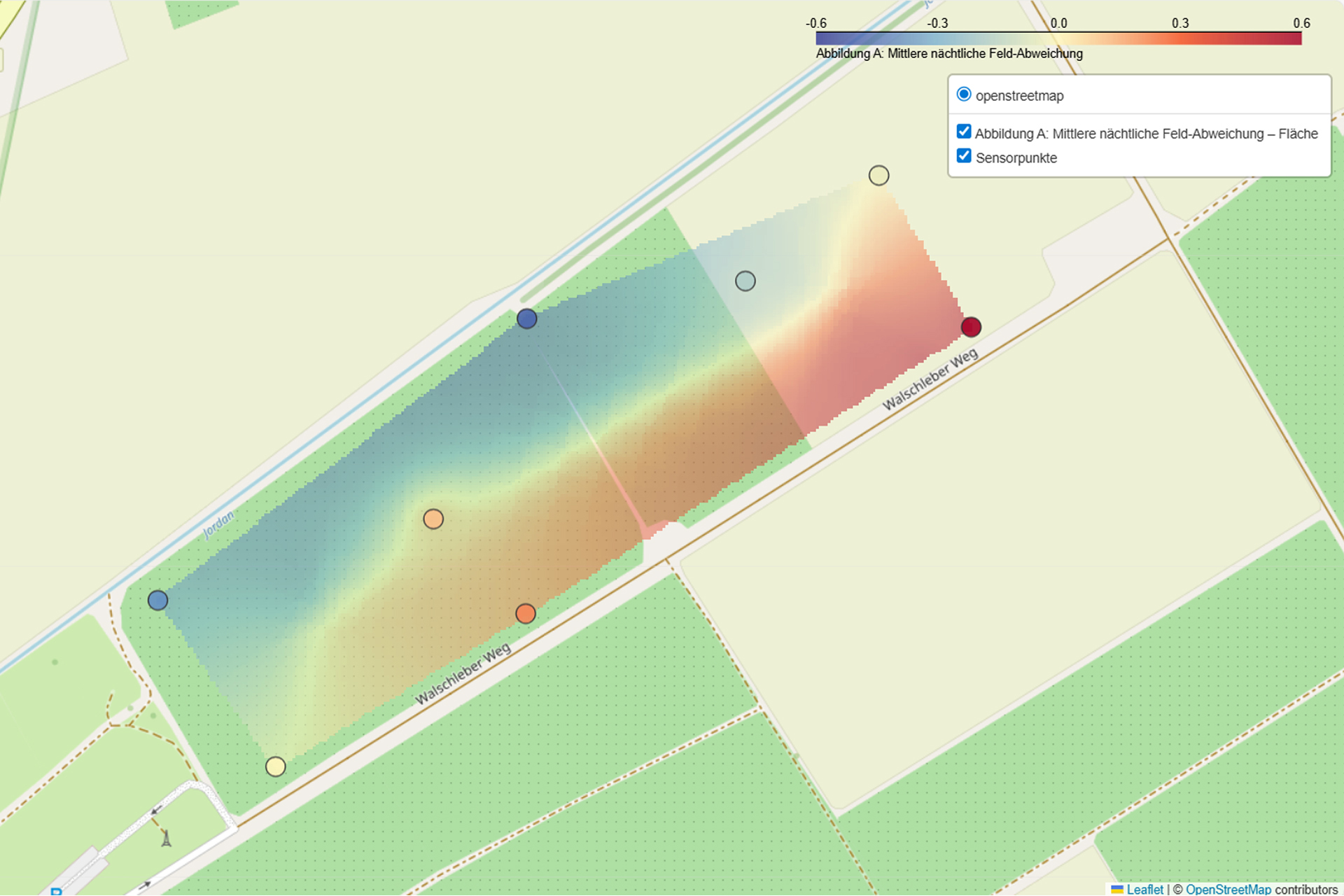
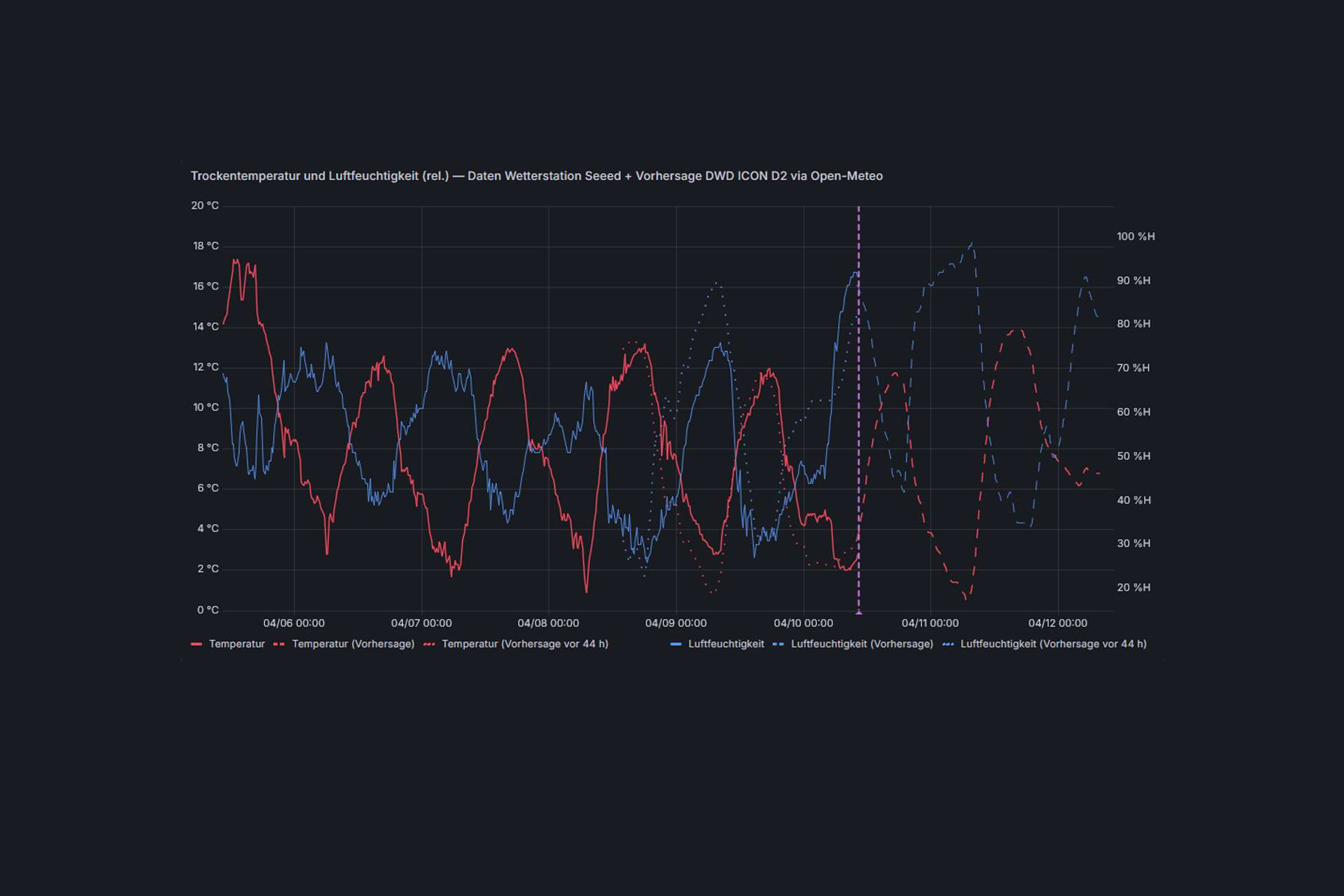
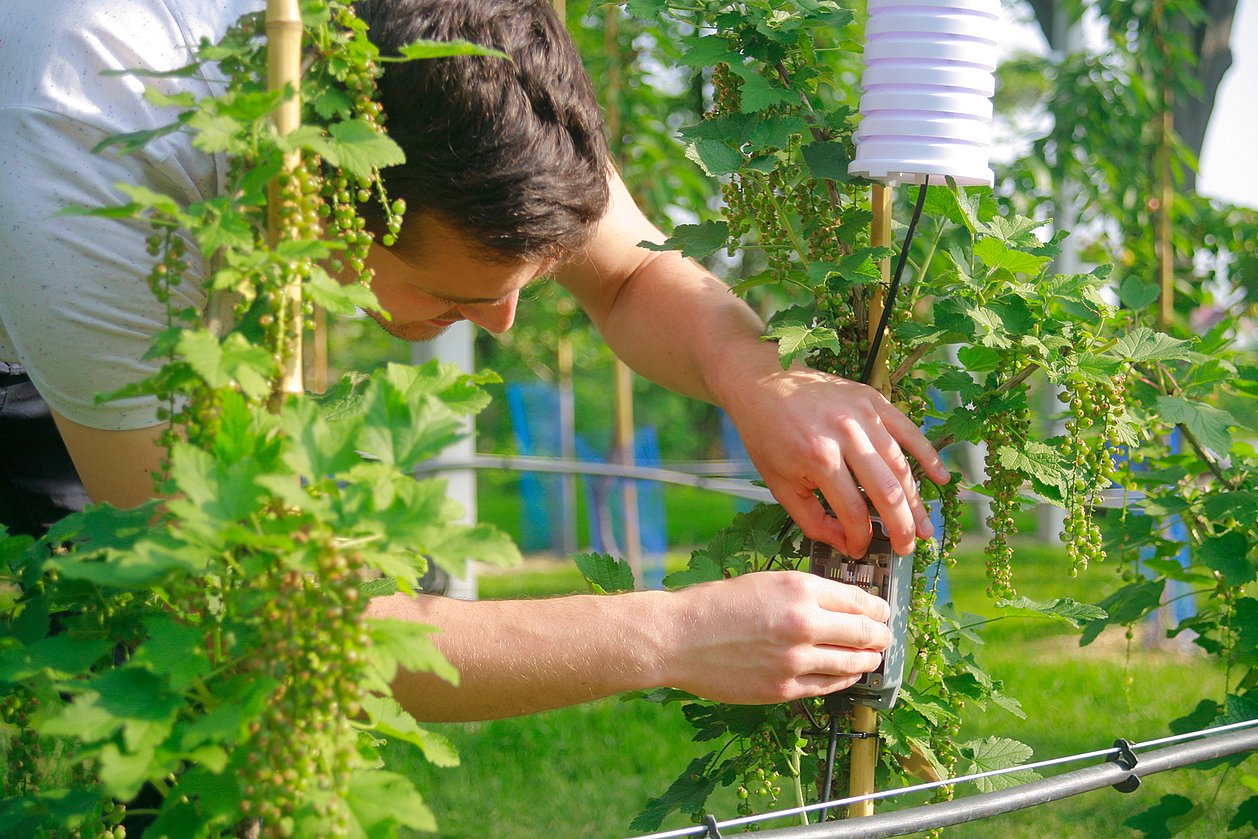
To ensure a responsive reaction, specifically identified local conditions – such as terrain profiles and air currents – are used to supplement general weather forecasts, particularly with regard to expected minimum temperatures. At the same time, sensors determine the stage of development in which the plants are and the current temperature. On this basis, tailored algorithms decide whether protective measures need to be taken and, if so, which ones.
IMMS is responsible for the entire data pipeline, from data collection through to the formulation of recommendations for action.
Innovation: AI-powered data analysis
AI models help to recommend appropriate measures. They analyse the data collected, identify unusual patterns and assess the risks involved. They then suggest suitable countermeasures – such as specific frost protection measures or changes to irrigation strategies. At IMMS, we combine suitable AI algorithms for analysing our sensor data with input from our project partners to provide comprehensive climate and plant monitoring.
Benefits: Knowledge transfer between research and practice
To date, protection and optimisation measures in fruit growing and viticulture have been based primarily on empirical knowledge; they are sometimes unreliable and often require a significant investment of resources. The combination of tailored weather data, automatically determined plant growth stages and AI-supported algorithms makes these tried-and-tested strategies more tangible and accessible to a wider range of practitioners. This means that even smaller farms can benefit from the recommendations and efficiently protect and increase their yields.
Acronym / Name:
EXPRESS.smart / Experimental platform for smart, data-driven networking and digitalisation in agricultureDuration:2025 – 2028
Project website:https://digitalisierung-landwirtschaft.de/
Application:
Environmental monitoring and smart city applications|Agriculture| farms| fruit growingResearch field:Smart distributed measurement and test systems
Contact

Contact
Dr.-Ing. Tino Hutschenreuther
Head of System Design
tino.hutschenreuther(at)imms.de+49 (0) 3677 874 93 40
Dr. Tino Hutschenreuther will answer your questions on our research in Smart distributed measurement and test systems and the related core topics Analysis of distributed IoT systems, Embedded AI and Real-time data processing and communications, on the lead applications Adaptive edge AI systems for industrial application and IoT systems for cooperative environmental monitoring as well as on the range of services for the development of embedded systems.
Funding
The project on which this report is based, ‘Experimental Platform for Smart, Data-Driven Networking and Digitalisation in Agriculture’ (EXPRESS.smart), was funded by the Federal Ministry of Agriculture, Food and Regional Identity (BMLEH) following a resolution of the German Bundestag, via the project management agency, the Federal Office for Agriculture and Food (BLE), under reference 28DE405E23. Responsibility for the content of this publication lies with the author.
This might also be interesting for you
Core topic
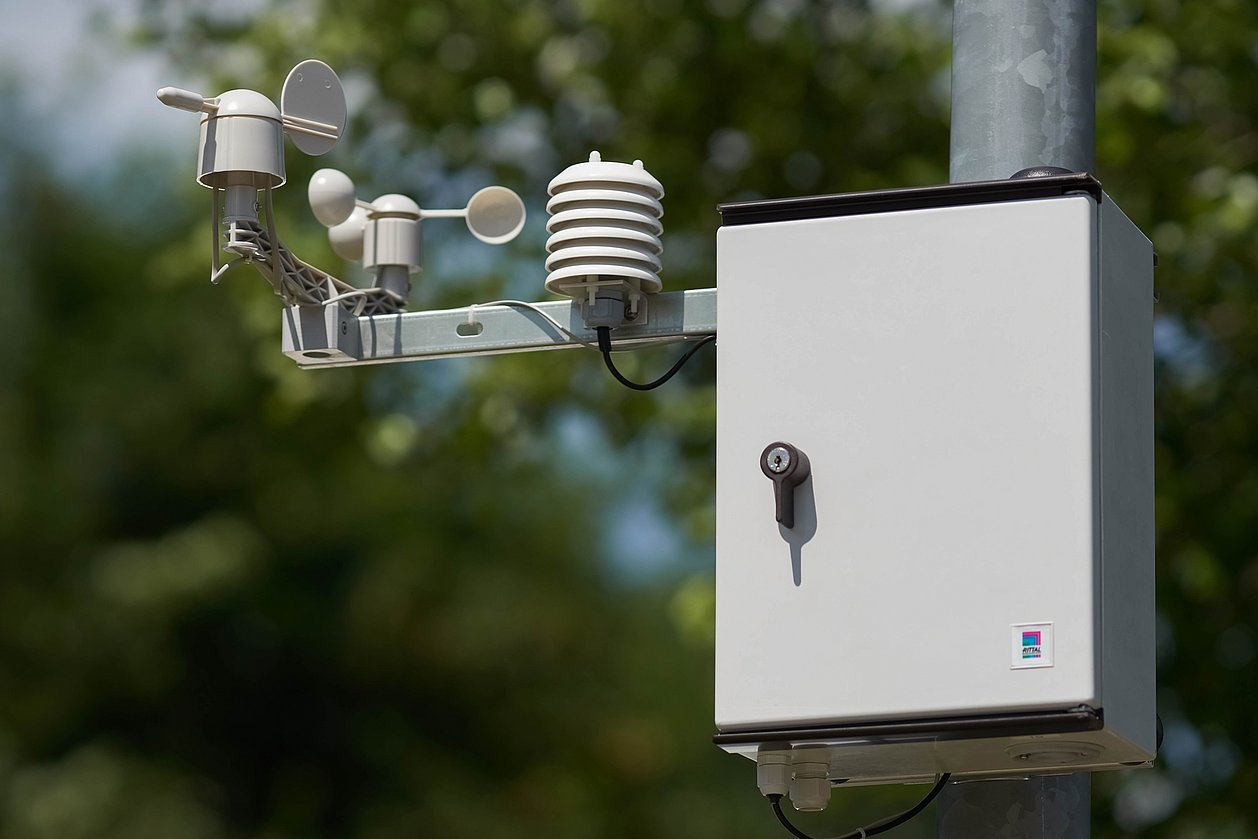
Analysis of distributed IoT systems
For complex distributed IoT systems, we model components for system-wide analysis of energy consumption. We put intelligence into the network, enable tasks to be solved flexibly and autonomously, and make individual functions portable and robust.
Service for R&D
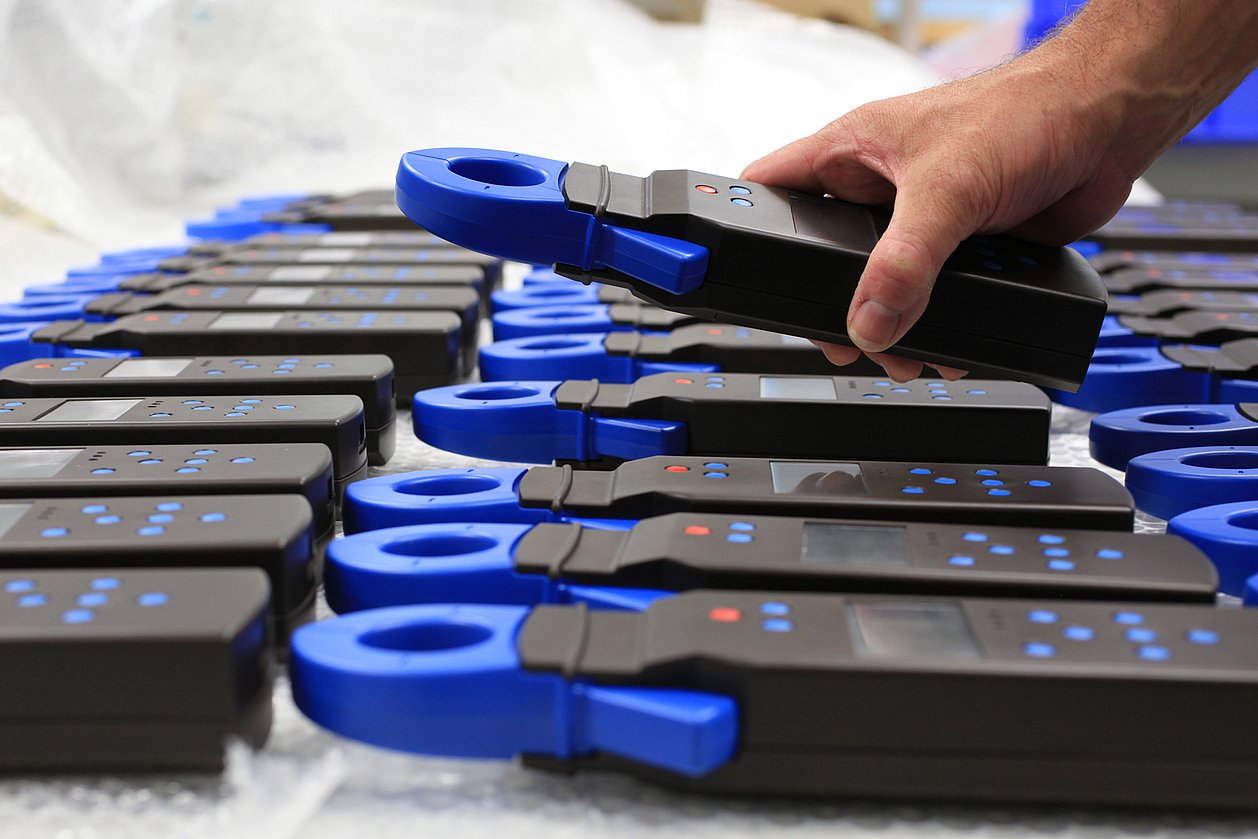
Development of embedded systems
We develop embedded systems for you as complete solutions consisting of sensors and actuators, signal processing and communications technology as well as open-loop and closed-loop controls.
Lead application
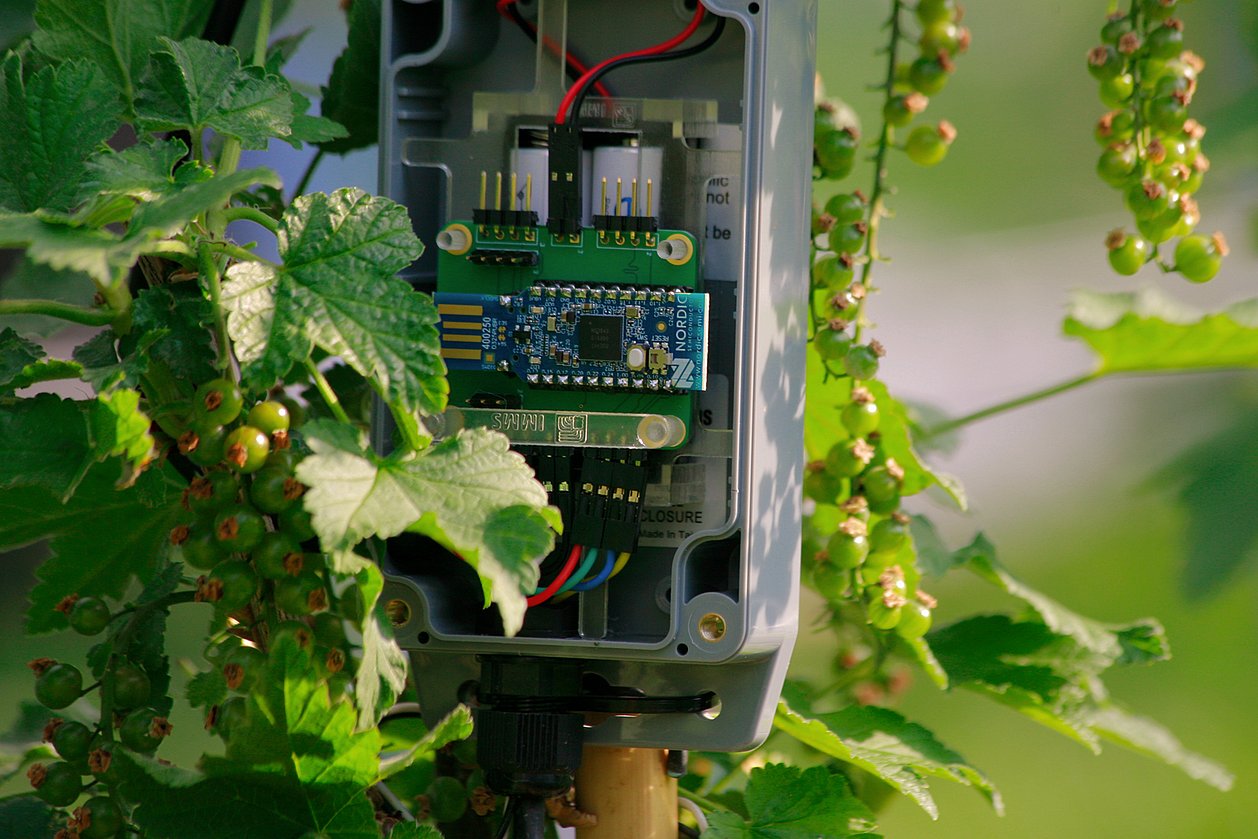
IoT systems for cooperative environmental monitoring
We are researching energy-efficient solutions for IoT systems to open up new applications for cooperative environmental monitoring, such as in agriculture.
Research field
Smart distributed measurement and test systems
Integrated sensor ICs are the heart of sensor and measurement systems like wireless sensors, stationary or handheld devices. We are researching solutions for ever more powerful sensors with more intrinsic intelligence and task allocation in the network.