

Long Night of Science in Erfurt 2026
Abstract:
The sensor chip that doesn’t need a battery
Foyer, wheelchair accessible, ages 10 and over
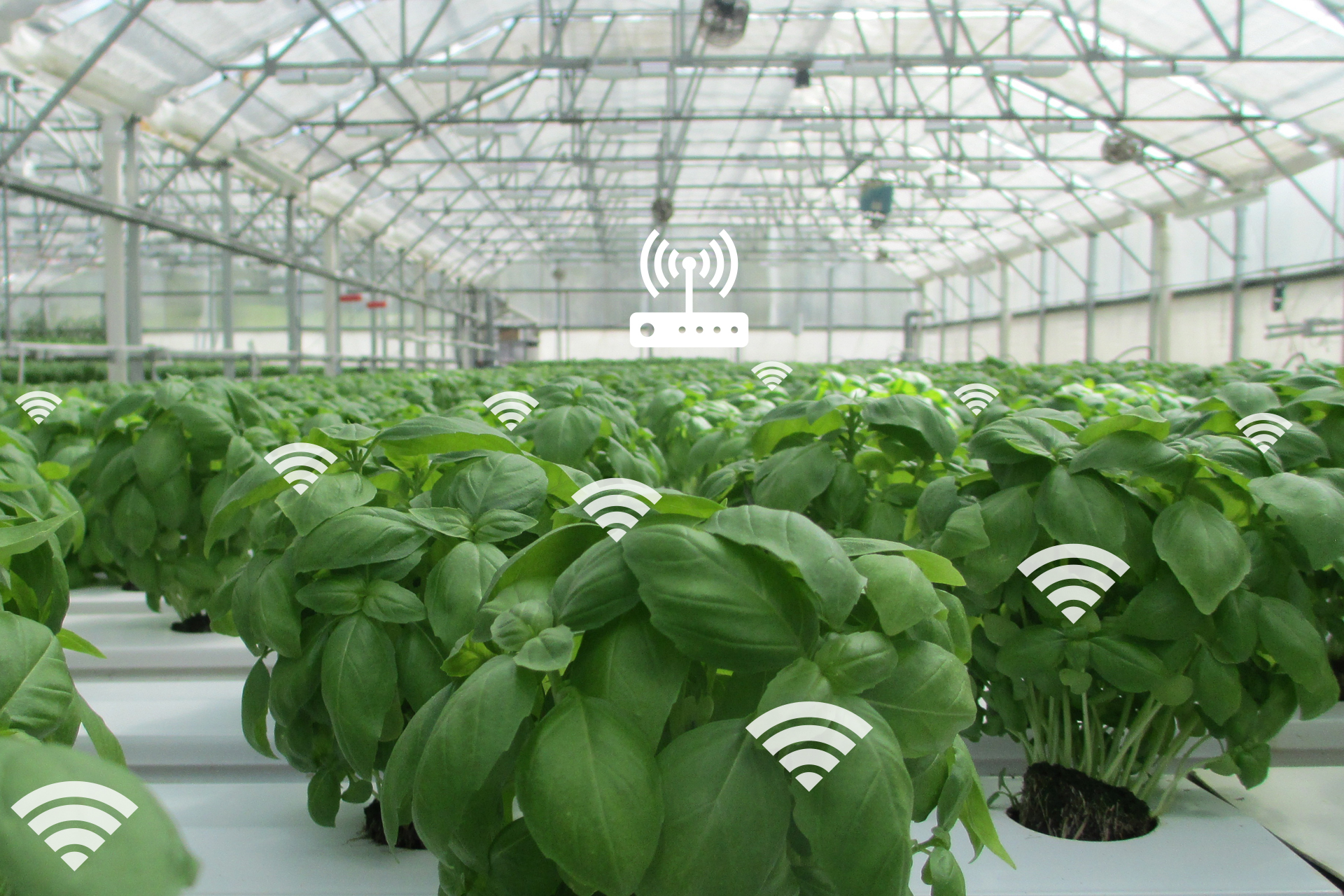
Imagine if your fitness tracker never needed charging. A parcel tells you if it’s getting too hot. A plant lets you know it needs watering. This requires sensors and electronics – and they need power. But what happens if you want to use a sensor in a place where you can’t change the battery? We’re developing sensor chips that use such tiny amounts of energy that they work entirely without a battery. How does that work? With radio waves. And in more detail? You can find out from us. Give it a go – it works over longer distances too. Placing your hand on it is a thing of the past. Discover how these ultra-low-power sensor chips can measure and report temperature, humidity or other parameters, and why they’re so exciting for monitoring tasks in industry, agriculture and the Internet of Things.
Glowing corals serve as a model for medical diagnostic chips
Foyer, wheelchair accessible, ages 10 and over
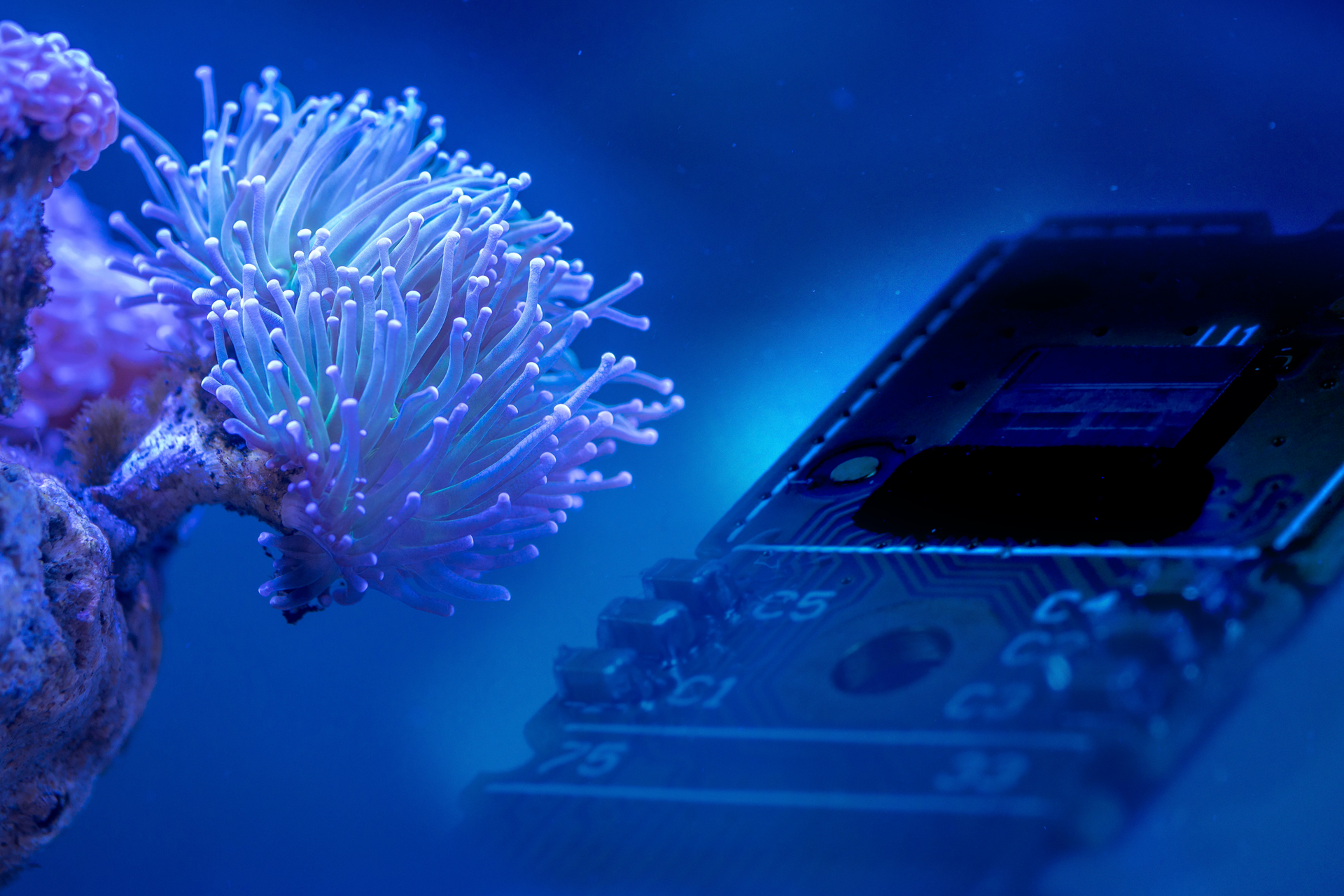
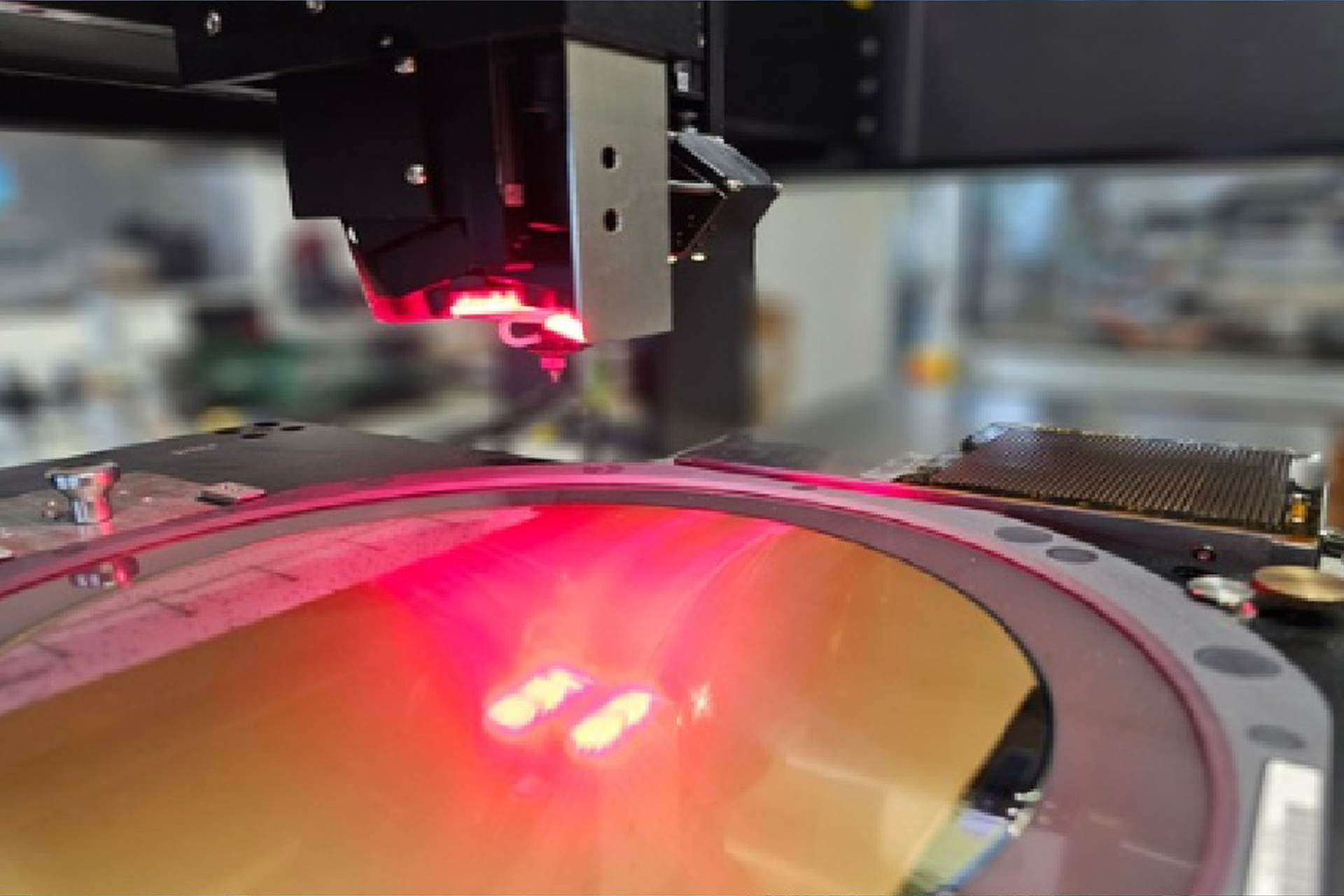
When blue or violet light hits certain corals, they respond with a brief flash of a different colour. Other species and even minerals can do the same when exposed to UV light. This ‘light echo’ is called fluorescence. Our diagnostic chip uses the same principle. It collects thousands of such light echoes and precisely analyses when and how strongly they occur. This enables it to detect even the smallest quantities of certain disease markers. This is particularly important in cancer diagnostics, for example. Until now, samples have had to be sent to a laboratory, and it has taken some time to receive the results. We have developed a chip which, in future, will enable the concentration of certain substances in a sample to be detected directly at the doctor’s surgery with a level of accuracy comparable to that of a laboratory. All it takes is a small device into which you insert specially developed test strips and analyse them using our chip. Experts call this method time-resolved fluorescence measurement. You can find out exactly how it works here. You can also check it out yourself.
Test a translator for chip ideas
Foyer, wheelchair accessible, ages 10 and over
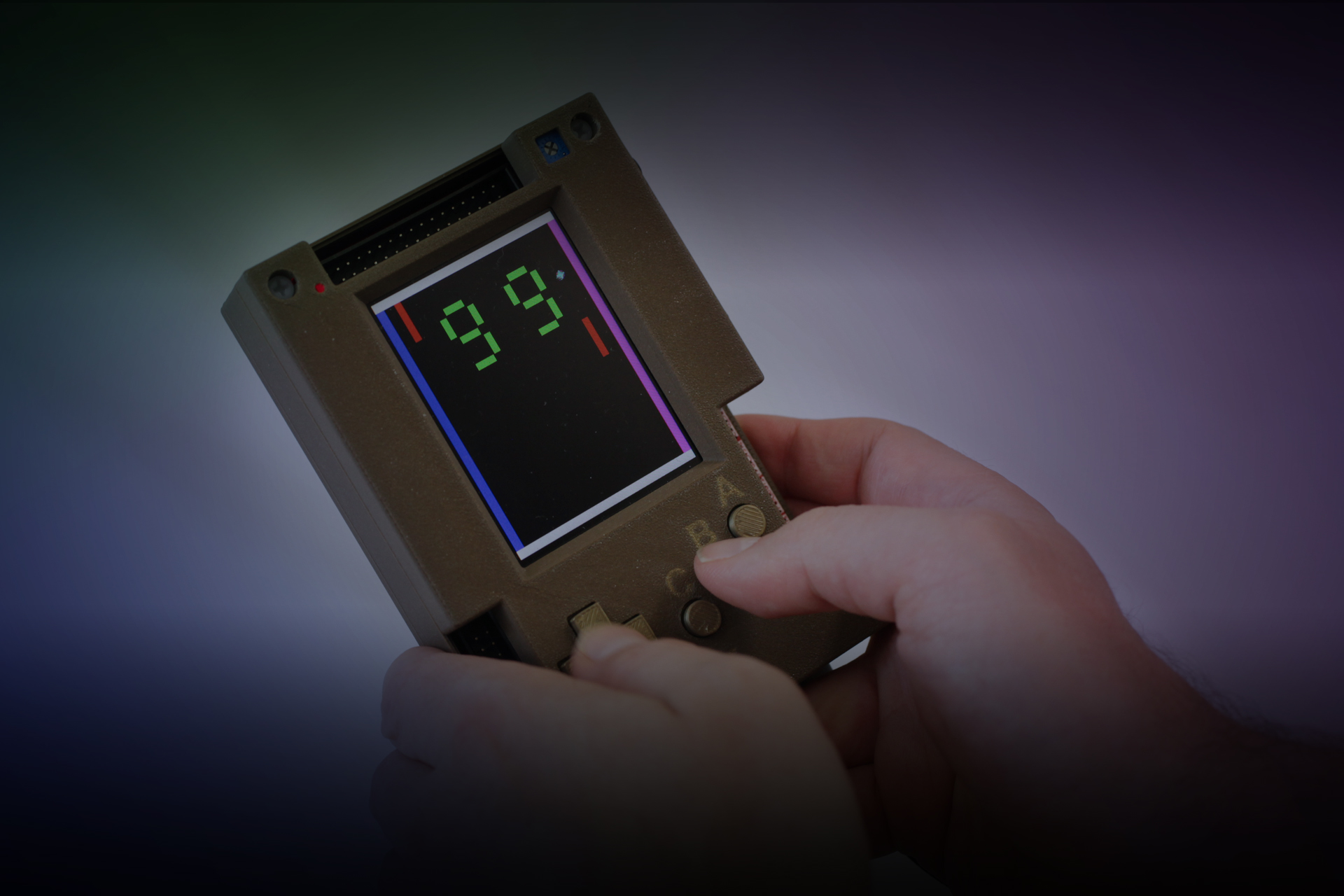
Digital circuits are everywhere: in your watch, your mobile phone, your cooker and your car. But how do you develop these highly complex chips? We’re researching new software for chip design – have a try with the Pong game! There’s always a decision to be made: Does the ball move left or right? Did the bat hit the ball? Does is count as a point? Computer chips think in terms of many small individual steps. Normally, developers have to describe these steps in a very laborious way. Our programme helps with this: instead of using complicated chip language, developers first describe their ideas in the simpler programming language Python using our free tool, noRTL. This translator then automatically generates the circuits for the chip. Tell us what you want your Pong game to do!
More sledges thanks to AI? Take a photo of yourself on a sledge and win a sledge!
2nd floor, IMMS entrance area, wheelchair accessible, photo spot for ages 6 and over, quiz for ages 10 and over
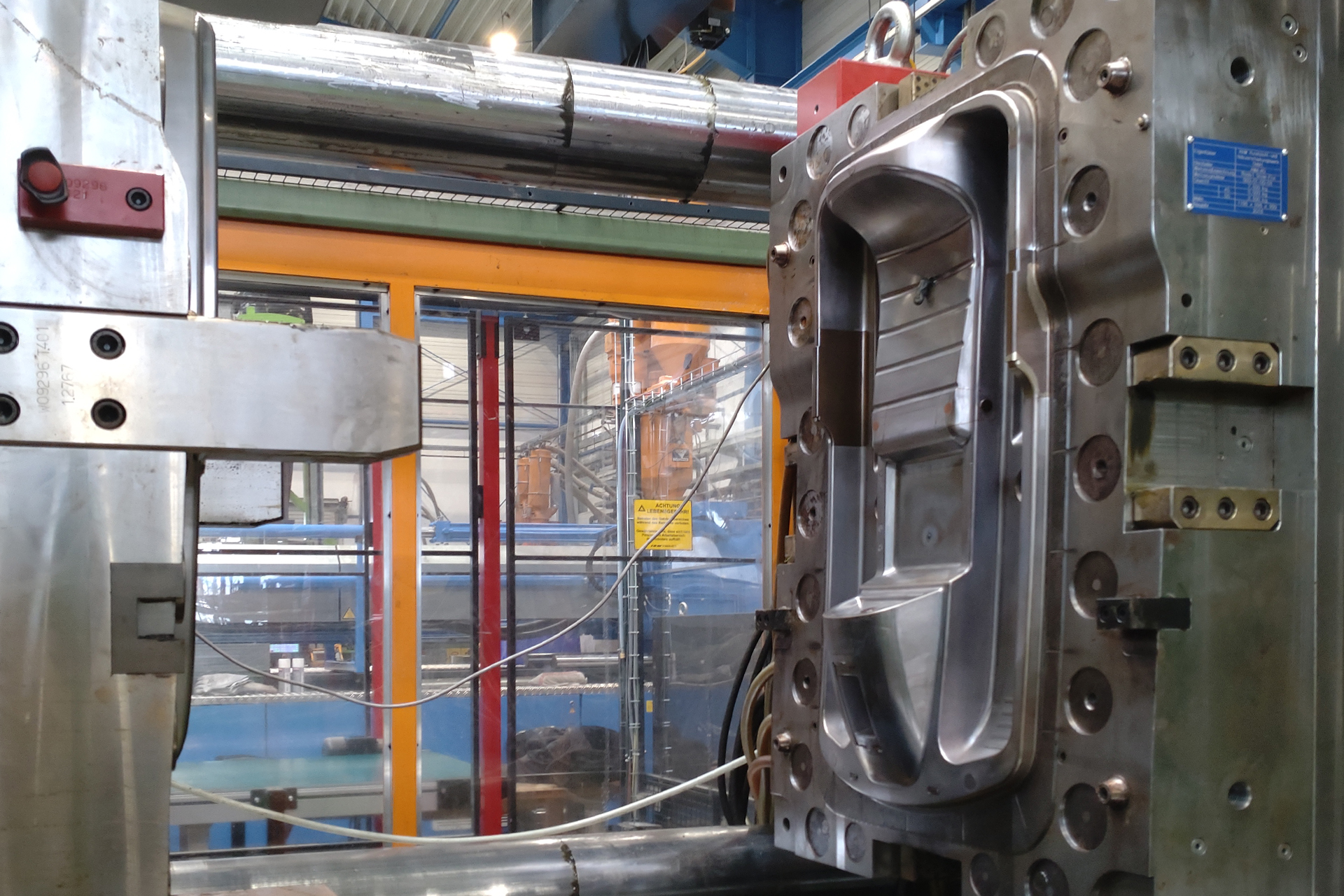
Sledges and many other products and parts are manufactured using plastic injection moulding. If the current scrap rate of 4 per cent could be reduced by just 1 per cent, this would save around 150,000 tonnes of plastic and approximately €650 million in costs in Germany alone. Current challenge: The machines are usually adjusted by hand. Now, together with our partners, we’ve managed to optimise injection moulding using AI. Come and find out how it works. Result: At KHW Kunststoff- und Holzverarbeitungswerk GmbH, this has increased productivity by 5 per cent. That’s 73 sledges a day for even more sledging fun! Hop on and take a test run – complete with a speed camera photo! And with a bit of luck, you could win a sledge: after the night-time test runs, the two “Snow Fox” models from KHW will be raffled off amongst everyone who has correctly answered the sledge quiz.
Try your hand at your first coding – programming made child’s play
2nd floor, IMMS, Ardenne consultation room, wheelchair accessible,ages 8 and over, until 22:00
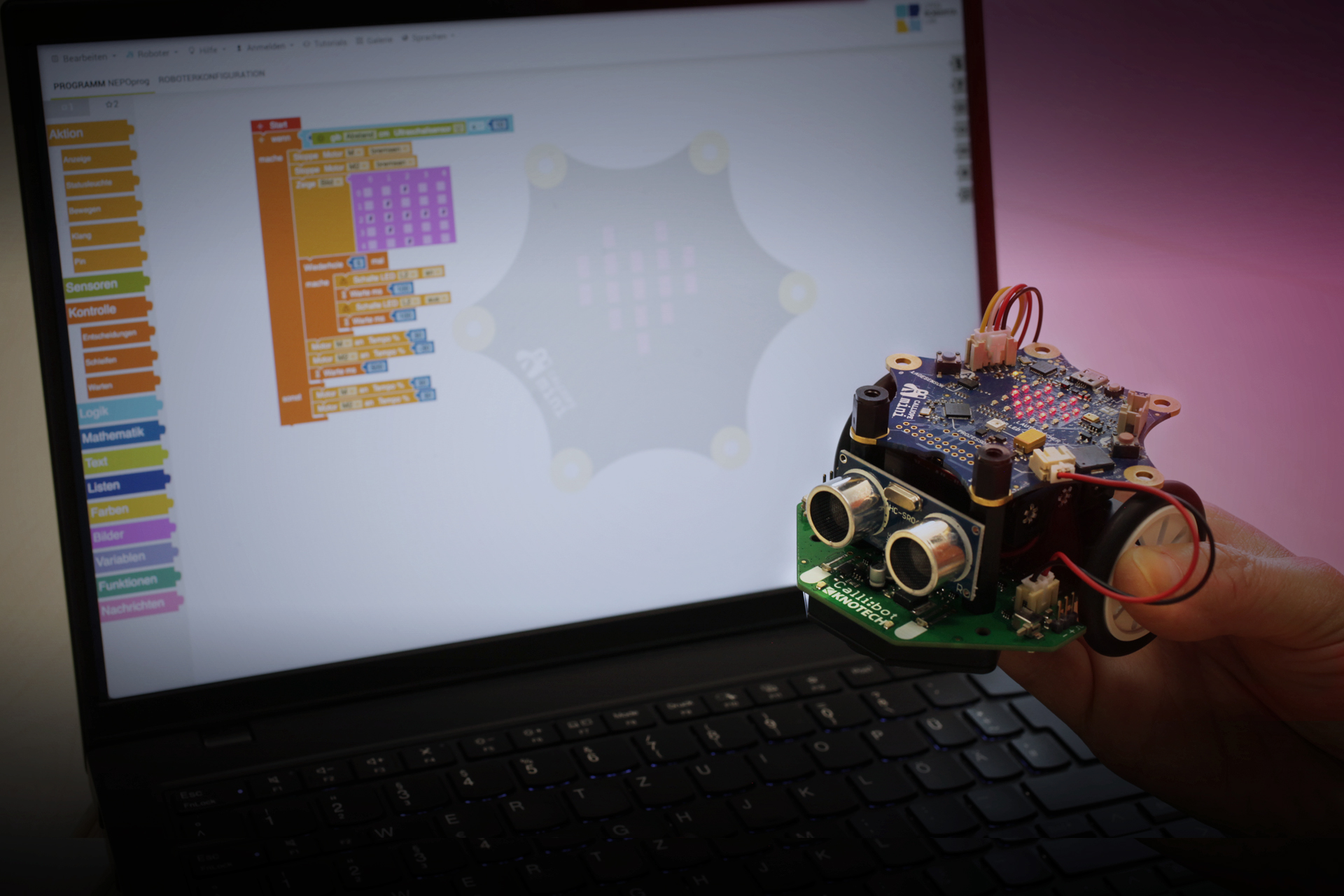
Write your own little programme and test it straight away with the Calli:bot driving robot. On the OpenRoberta programming platform, using the Calliope mini computer, you’ll be set exciting tasks to solve on the computer. Make LED text light up, switch on a light with movement, or get a very precise picture of your surroundings using sensors. The little Calli:bot can do lots of things: avoid an obstacle or, before changing direction, indicate. Give it a go – we’ll help you.
Puzzling in the test lab: White isn’t a colour, or what colour is light?
2nd floor, IMMS, not accessible for wheelchairs, ages 13 and over, meet in front of the lab on the hour, duration: 30 minutes, last entry: 22:00, max. 10 people, prioritising those in the career/study (specialisation) orientation phase
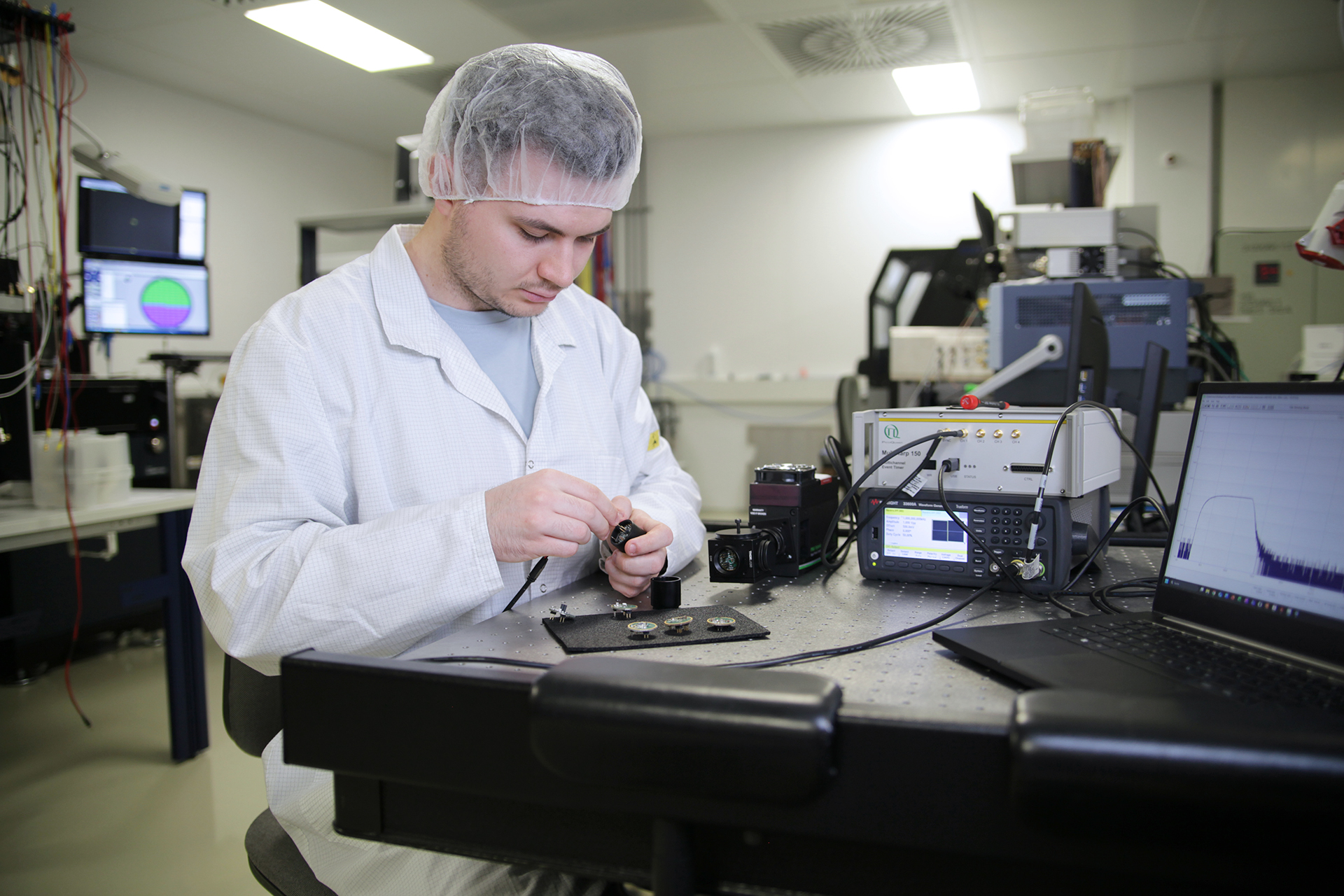
Do you know what an electronic circuit is, or have you already built one yourself? Are you wondering what you could do with this in your future career? We develop chips – that is, integrated circuits – which are often just 1 – 2 mm in size but contain millions of transistors and other components such as photodiodes for camera chips. This enables the chips to detect light signals. To test these optoelectronic chips, we therefore need light, the properties of which we must understand very well. But how do you know if the light is actually what it seems? Become an engineer yourself and, using a spectrometer in our semiconductor test laboratory, find out why white light doesn’t exist and why white isn’t always white.
When machines start telling their own stories
Foyer, wheelchair accessible, ages 10 and over, a programme presented by Micro-Sensys GmbH
What if machines could tell when something was wrong? What if containers could monitor their own temperature or tools could store their history?
What sounds like science fiction has long been a reality. At the Long Night of Science, you can discover how industrial wireless sensors and modern RFID and IoT technologies are making our world smarter.
These tiny high-tech helpers can, for example, measure temperature, humidity, pressure or vibrations and transmit the collected information wirelessly – without any tangled cables and, in some cases, even without a battery.
At our stand, you can experience for yourself how these technologies work and what is already possible today.
- We’ll be bringing a small beehive to show you the heat.
- A dice – you roll it and then we’ll look at the monitor together to see the number that’s come up.
- Build up pressure in a bottle yourself and see it displayed.
- Is there a difference in pressure between air and water? We’ll show you.
- Do your flowers have enough water? Or is the wood too damp? We’ll check.
We’ll show you exciting applications from everyday life and industry and explain why smart sensors play an important role in the future.
Come along, have a try and discover how things are learning to communicate with one another.
A software developer’s toolkit for mechanical engineering
Foyer, wheelchair accessible, ages 10 and over, a programme presented by REX Automatisierungstechnik GmbH
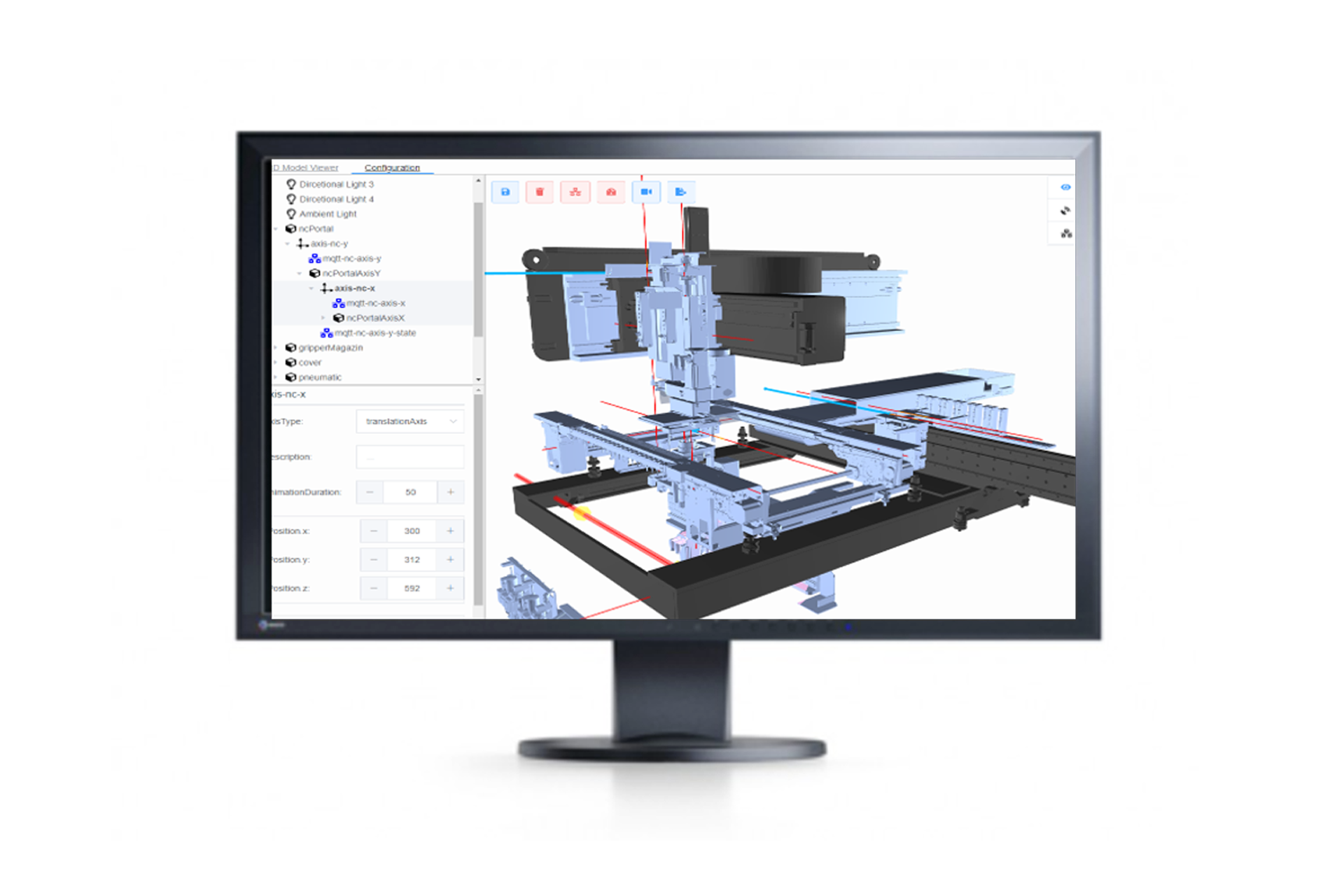
Experience modern machine control up close. Check out our software toolkit, operate a machine via the web HMI and watch how the digital twin implements your inputs directly. Try out the various functions for yourself and discover in a fun way how software, the user interface and the machine work together. Then test your knowledge in our quiz and win a small prize.
Thinking of studying at Ilmenau TU? Find out what’s on offer!
Foyer, wheelchair accessible, ages 6 and over, a programme presented by the Technische Universität Ilmenau
Do you find what we do at IMMS exciting? Can you imagine working in this field yourself one day? Then find out more here about the engineering and science degree programmes offered by Technische Universität Ilmenau. Degree programmes such as Electrical Engineering and Information Technology, Computer Science or Engineering Informatics, Mechanical Engineering, Mathematics, Mechatronics and Technical Physics, or Biomedical Engineering will equip you for a role at IMMS. Even whilst you’re still studying, you can get involved in research projects and explore the boundaries of what is technically feasible. At IMMS, we offer a wide range of challenging and practice-oriented topics in the form of work placements, Bachelor’s or Master’s theses, or part-time student jobs. You’ll analyse key preliminary scientific questions and support the project teams with development tasks.
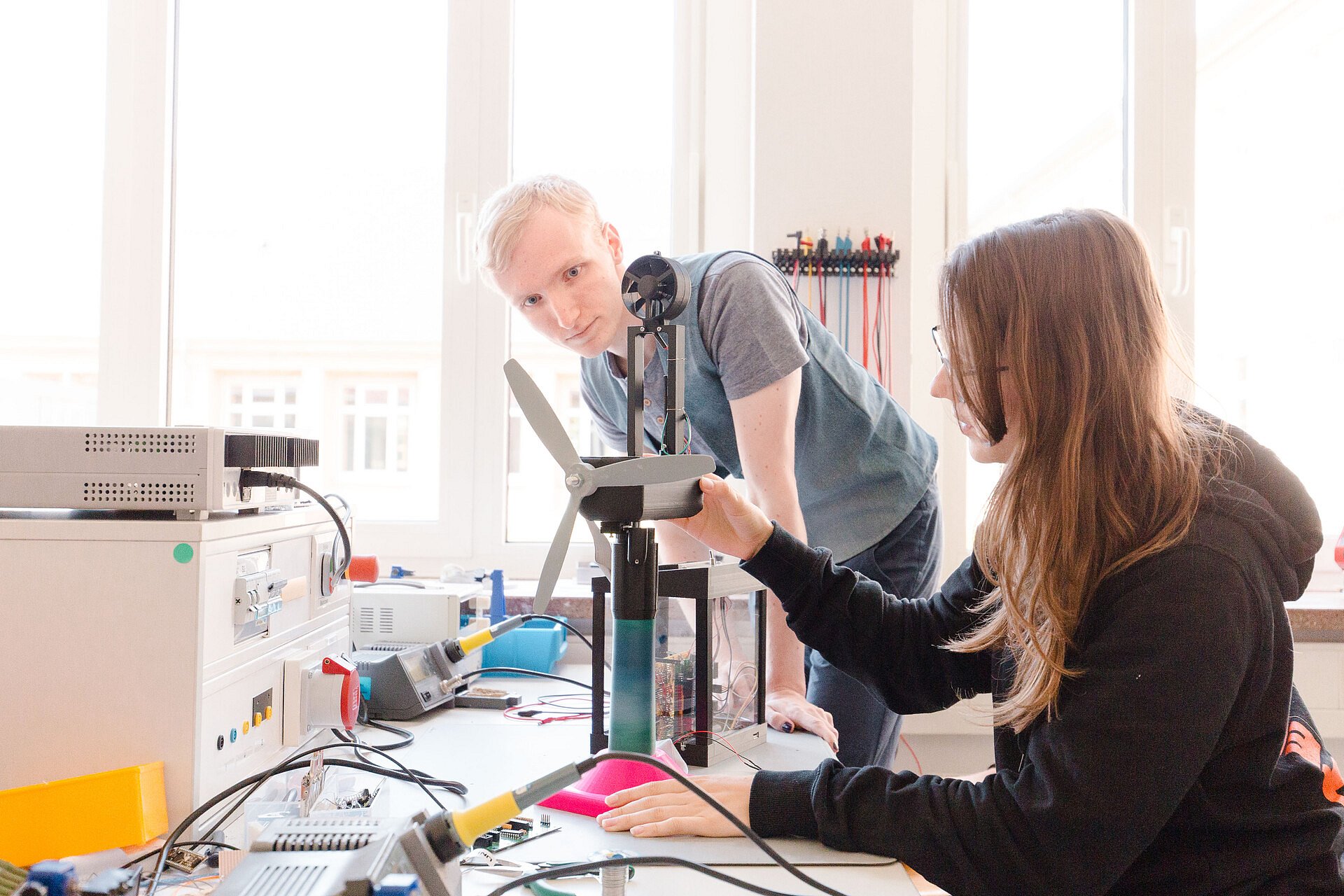
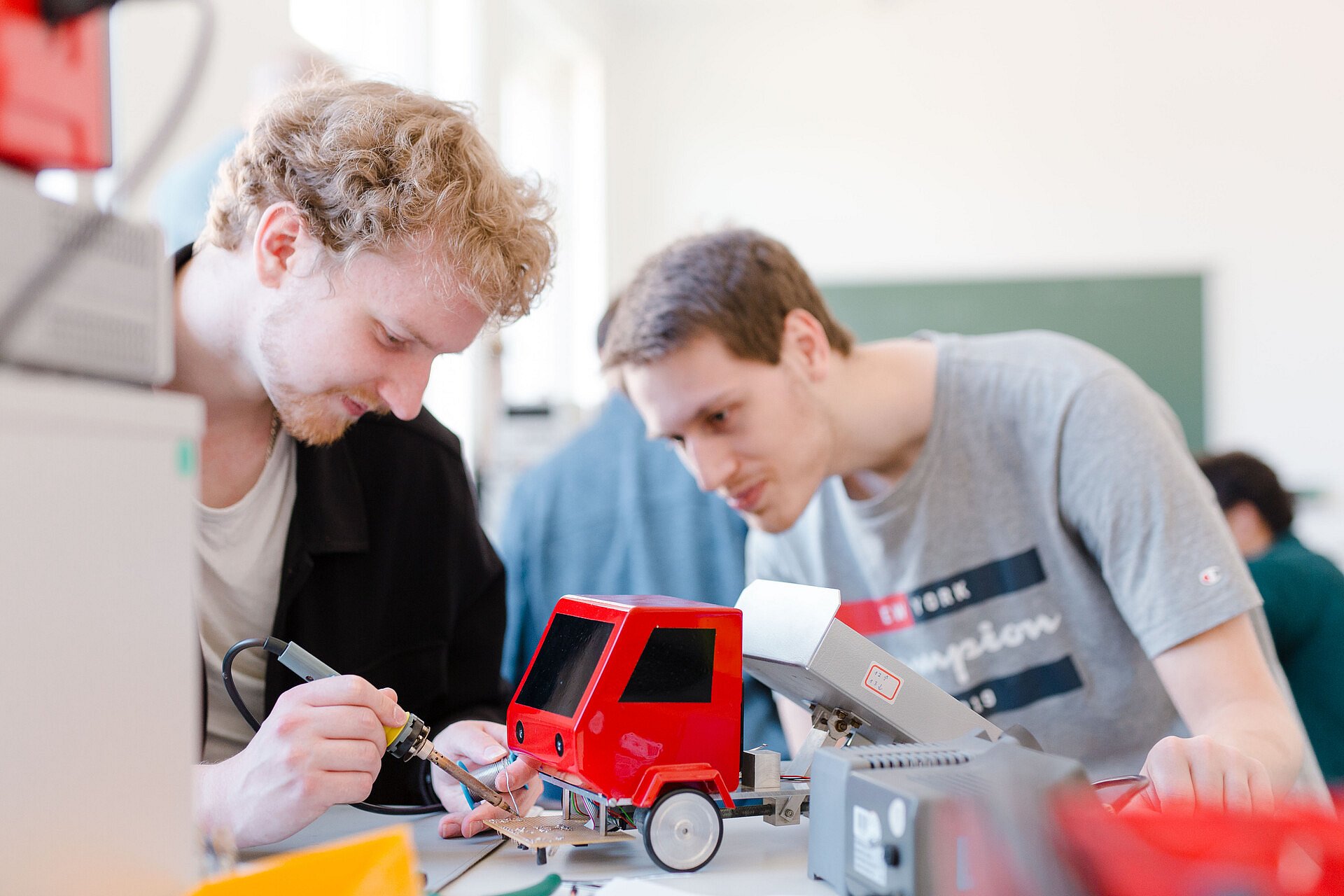
You can find out all the details about studying at TU Ilmenau at theuniversity stand in the foyer and have a chat with university staff. Various exhibits await you there: for example, an autonomous miniature transporter, a wind turbine model and a Raspberry Pi robot. These are the results of introductory programmes in which students can gain hands-on experience of what engineers do right from the start of their studies.
On the 3rd floor, the Department of Mechanical Engineering at TU Ilmenau will give you further insights into studying engineering. Take a VR tour to explore one of Europe’s largest university cleanrooms. You can also discover exciting examples of research and learn how mechanical engineering and microsystems technology are already developing solutions for tomorrow’s challenges. These include a drive system with surgical instruments for a high-precision neurosurgical robot, which was developed as a research demonstrator for brain surgery and biopsies.
A special interactive experience awaits you in the conference room of Technische Universität Ilmenau, located at Willy-Brandt-Platz 1, directly opposite the Erfurt main railway station. Using the interactive ‘Energy Transition Explorer’, you’ll discover in a fun way how our energy system works and gain fascinating insights into the work of the Thuringian Energy Research Institute (ThEFI). Right in the heart of Erfurt, we also invite you to immerse yourself in a virtual forest environment. See how research is being carried out at the I3TC and ThIMo at Ilmenau TU using state-of-the-art technology to shape the future of immersive media and mobility; join the ZMN in exploring the world of the very small under the microscope; and design your own ‘exposed wafer’ – made from icing sugar and biscuits.
Contact
Contact
Dipl.-Hdl. Dipl.-Des. Beate Hövelmans
Head of Corporate Communications
beate.hoevelmans(at)imms.de+49 (0) 3677 874 93 13
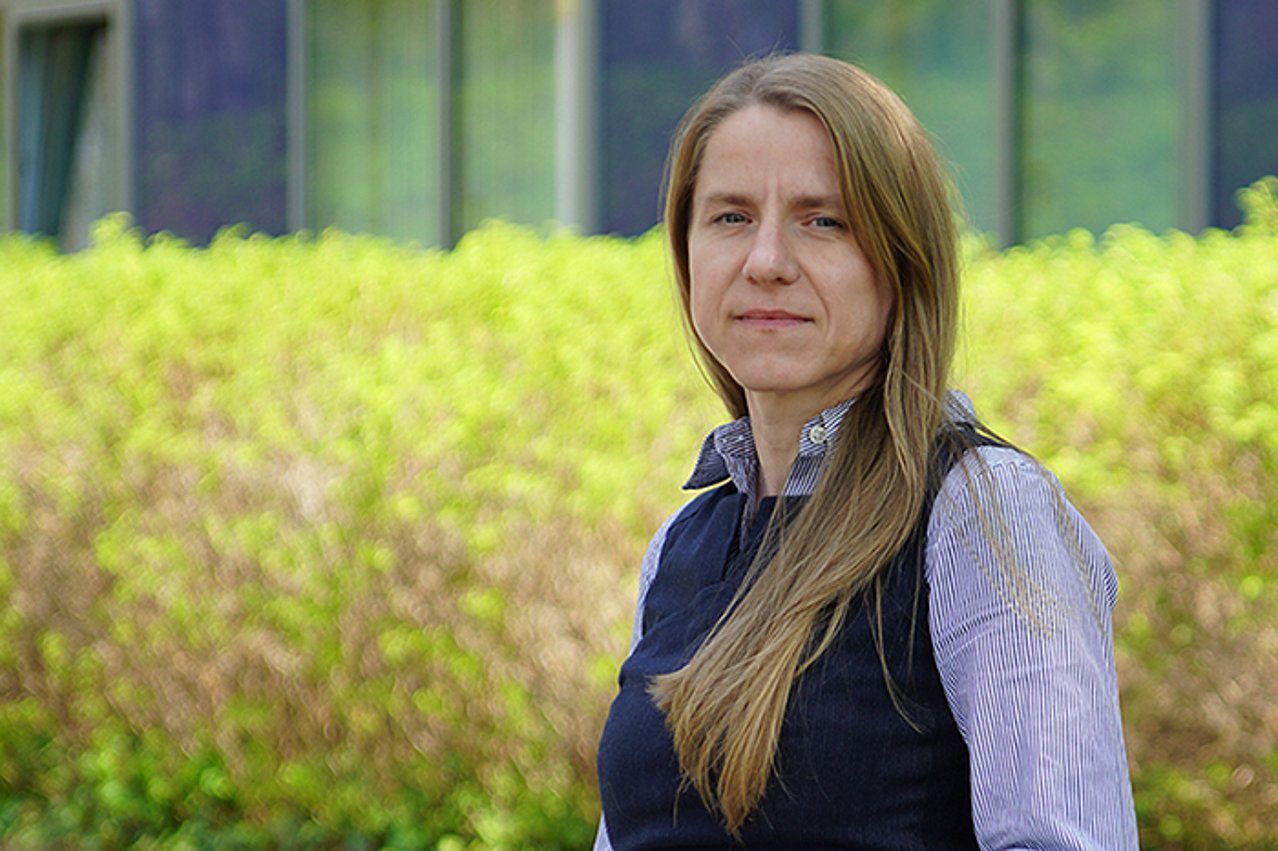
Beate Hövelmans is responsible for the text and image editorial work on this website, for the social media presence of IMMS on LinkedIn and YouTube, the annual reports, for press and media relations with regional and specialist media and other communication formats. She provides texts, photographs and video material for your reporting on IMMS, arranges contacts for interviews and is the contact person for events.